
Spinning Up The Alpha Playtest
By Andrew Fischer
Work on all three of our settings for Plotweaver is now underway! At the same time, we’ve started work on some of the core systems of Plotweaver. Now, you might think to yourself “aren’t the core systems already done? Didn’t the Cosmere RPG already come out?” And yes, while the system as a whole does exist from our work on Cosmere, we still have a lot of work ahead of us to refine the system and make sure it’s constructed in a way that works for all of our goals for Plotweaver. We’d like the core systems to
Allow for the flexibility to create settings in all sorts of genres
Maintain “seamless” compatibility with taking characters between different settings
Streamline the rules presentation to make it even more accessible and easy to learn
Stay compatible with the existing Cosmere RPG products and any future IPs
The process of refining the core rules to meet these goals is an iterative process. As our book leads work on building out Folio, Codex, and Grimoire, the core design team is looking at the different goals and challenges of these settings and using them to help us change how we organize our core rules to better serve a wide variety of settings.
But, our ultimate goal for Plotweaver is to be the best system possible for a much wider audience of creators than just our three settings, and that’s where you come in!
Call for Playtesters
We are going to be starting the very first playtest of Plotweaver in the coming months, and we need your help! We are looking for playtesters who can help us with these early iterations of the system and laying the groundwork for our system and our three internal settings.
These initial playtests are going to be closed alpha tests. What this means is that your group will be part of a small number of groups who are playing the very early materials for each of our settings and giving feedback that will help shape all of Plotweaver:
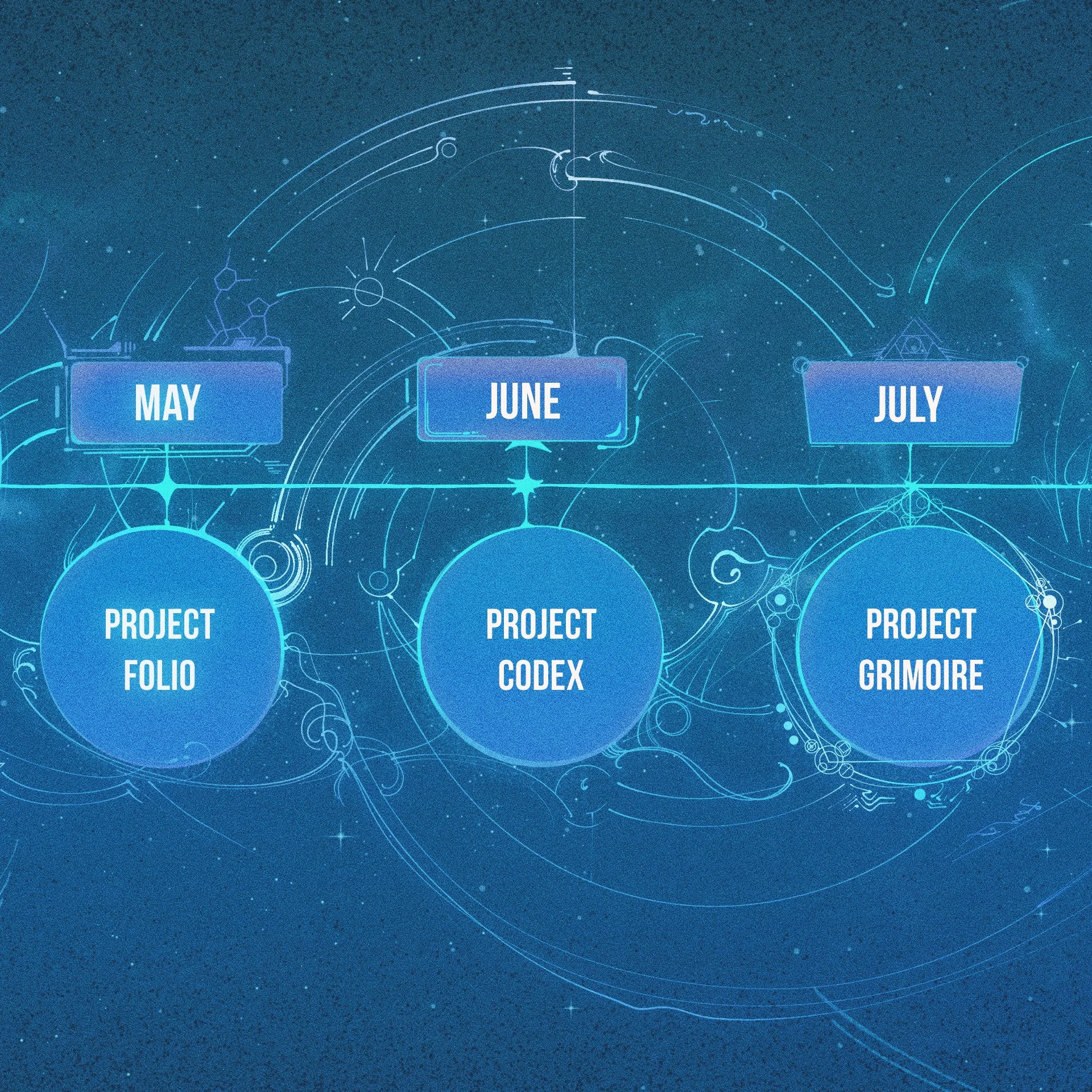
A look at what we’ll be testing each month!
Who Should Sign Up?
I know some of you are veteran playtesters who have helped us with testing on the Cosmere RPG (and some of you even on other projects we’ve worked on). But also, for some of you this might be your first time you’ve considered playtesting. You might be wondering if you can contribute or if your group would be good testers. Before you sign up, consider these three questions:
Can your group commit to playing a minimum of 3 sessions of Plotweaver?
Is your GM willing to construct encounters or adventures themselves from a collection of setting notes and adversary profiles? (This test will not have premade adventure content.)
Is one member of your group willing to fill out a Google Form after each session with answers about your play session?
If you answered “yes” to all of these questions, that’s it! You’re a perfect candidate. You can sign up now right here. You do not need to be a seasoned game designer or a forever-GM to be a great playtester. While we certainly will need some of those in our playtesting pool, we also need the groups with people new to roleplaying or are just there for the camaraderie. It’s important we get a wide variety of perspectives in our testing, so don’t hesitate to sign up.
What Makes a Good Playtester?
If you apply, thank you! We will try to get as many folks into this closed alpha as we can. But, if you end up not making it, we will be moving to more open testing later this year, and you will get a chance to see the materials!
Whether you’re a brand new playtester or a returning veteran, I also wanted to end this post with a few tips to consider as you start helping with playtesting. While anyone with any experience level can make a great tester, there are a few feedback approaches that all testers can take to help the process be as productive as possible. If you end up working with us, please consider the following tips:
Focus on Experience, not Solutions: In playtesting feedback, it’s most important that our designers see what happened at your table, how it happened, why it happened, and how it made the involved players feel. It’s very easy to get caught up in how your group might fix a problem, but a proposed solution doesn’t help our designers understand the problem. Focus your feedback on what happened and leave the fixes to our team.
Be Patient: You are going to be playing a half-finished, broken version of our game, especially at this early alpha stage. Be patient as you run into broken or frustrating things. Try to remember that every time something is broken or confusing, you are succeeding at your job as a tester! Note it down and try to work around it.
Be Specific: Try to be as specific as possible in your feedback. General notes like “weapons seem weak” leave our designers speculating at what could be the issue, while feedback like “in a fight with the shortbow and the sling against two rock elementals we weren’t able to do much damage” helps us get a better picture of what happened at your table.
Break Things Then Move On: Broken elements of the game can disrupt all sorts of elements of gameplay and render any other feedback tainted by that disruption. When you find something broken, it’s best to note it in your feedback, then set that element aside or try to otherwise work around it so that the rest of your gameplay isn’t skewed by its inclusion.
Feedback At the End: This a personal preference thing, but I usually recommend that you save feedback and group discussion for the end of sessions. Discussing in the middle can disrupt the flow of play and sometimes things feel different in the moment than they do when viewed at the end of the night. Have your group members take notes and then review them all at the end of the session.
Balance Positive and Negative: While your group might have had an overwhelmingly amazing or terrible time, it’s important to note both the things that went right and the things that went wrong. When a report is entirely positive or all negative, it is hard for designers to level-set and ground the feedback. Having a balance (even a skewed one) helps.
Be Respectful: Always be respectful to the designers and to your other testers when discussing the game or giving feedback! Tempers can get a bit heated when dealing with issues in the game or areas of strong opinion, but it’s important to always treat everyone you’re working with with kindness and respect.
We’re so excited to start working with you on this next stage of Plotweaver! Sign up here to become an alpha tester and we’ll see you in the Tapestry!